
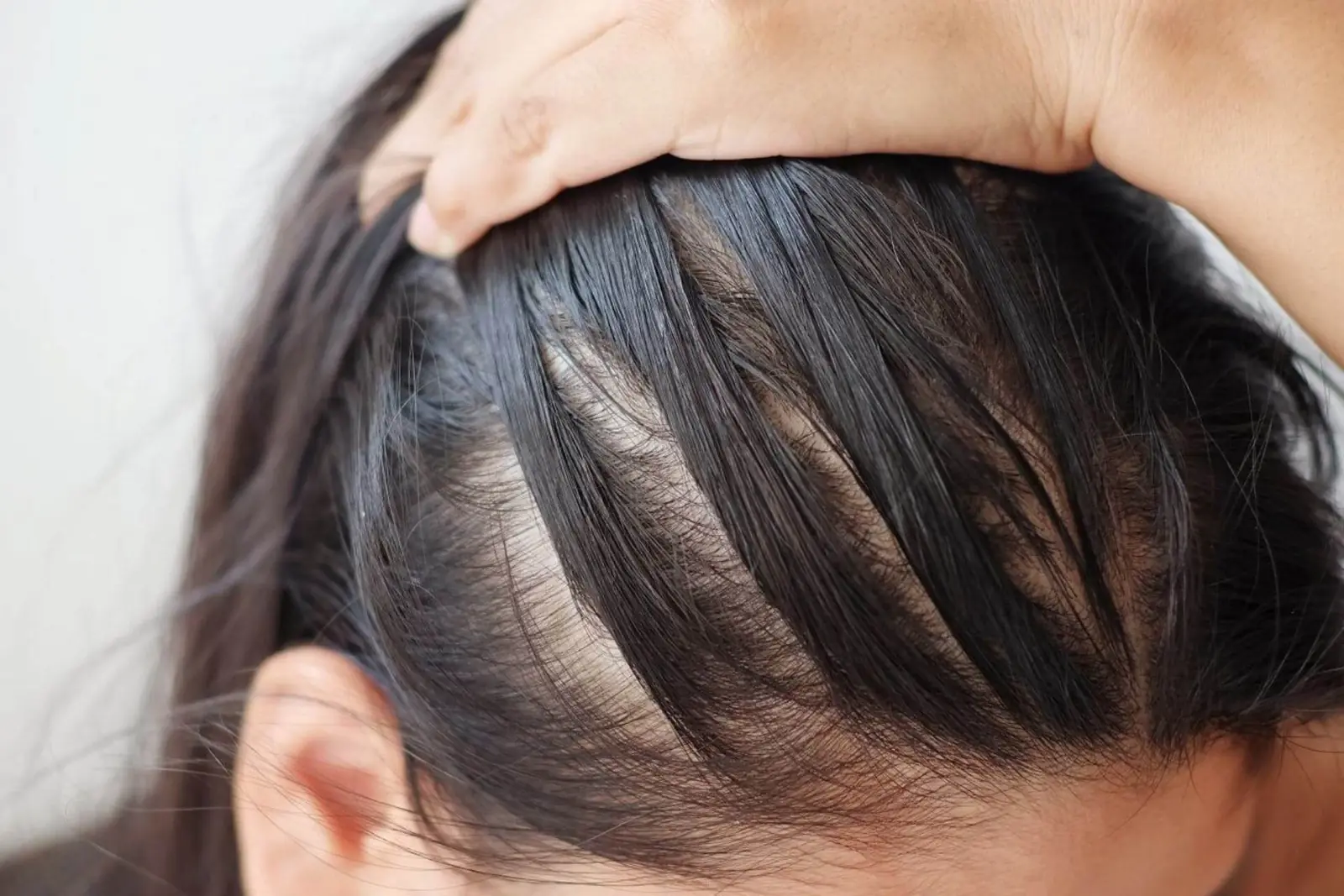
Hair loss can affect anyone, men and women alike, and it can be distressing. Thinning, shedding, a receding hairline or patches in a beard all have different causes, so the first step is understanding what's going on.
Look for the root cause
Hair loss is often a sign of something happening inside the body, not just on the scalp. Common causes include:
- Pattern hair loss, which is hereditary and gradual
- Shedding after a trigger such as illness, surgery, childbirth, stress or crash dieting (telogen effluvium), usually two to three months later
- Low iron, vitamin D or thyroid problems
- Tension on the hairline from tight styles, extensions or heavy hair (traction alopecia)
Before trying treatments, it's worth asking your GP about blood tests if your shedding is new or heavy. Treating the cause matters as much as treating the hair.
Be wary of quick fixes
Hair grows slowly, so any honest plan takes months. Be cautious about treatments promising fast results, especially if no one has assessed why your hair is thinning.
Home care matters
A good scalp and hair routine supports whatever else you do, much like brushing your teeth supports a dental treatment. That might include a gentle shampoo suited to your scalp, scalp serums, and less heat and tension.
Nutrition
A balanced diet with enough protein, iron and vitamin D supports healthy hair. In the UK, low vitamin D is common, especially in people with deeper skin tones, who make less vitamin D from sunlight. Supplements can help if you're deficient, but check with your GP or pharmacist first, as more isn't always better.
Everyday habits that help
- Loosen tight braids, buns and ponytails, and change your parting
- Turn down the heat on dryers and straighteners
- Be gentle when brushing and towel-drying wet hair
- Manage stress and sleep where you can
When to see your GP
See your GP if hair loss is sudden, patchy, comes with a sore or scaly scalp, or with other symptoms. If your concern needs something beyond skincare, we'll suggest you speak to your GP.
Read more about hair loss and thinning.
This article is general information, not personal advice.